| 書目名稱 | The Bioarchaeology of Social Control |
| 副標(biāo)題 | Assessing Conflict a |
| 編輯 | Ryan P. Harrod |
| 視頻video | http://file.papertrans.cn/906/905114/905114.mp4 |
| 概述 | Gives bioarchaeological insight into social control and violence in complex societies.Compares Chaco Canyon to research findings at other archaeological sites that appeared to have served as centers f |
| 叢書名稱 | Bioarchaeology and Social Theory |
| 圖書封面 | 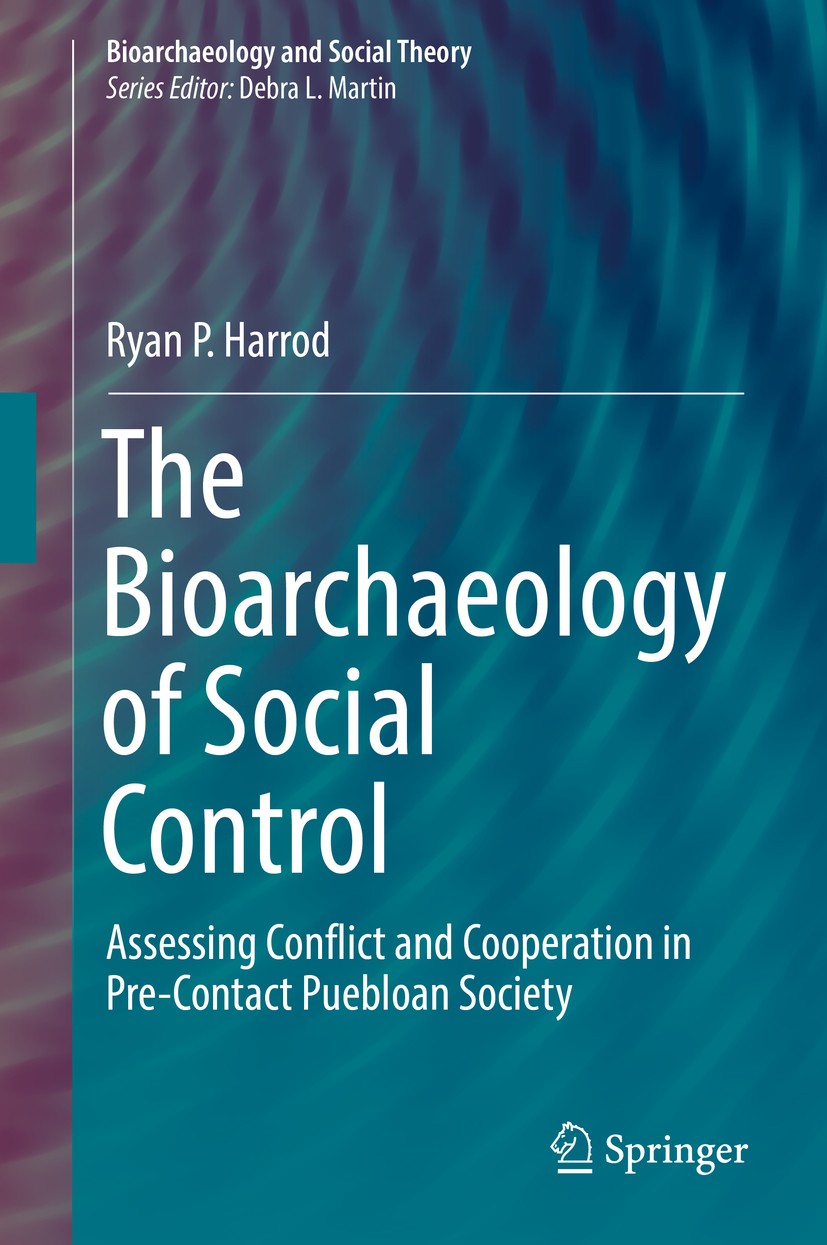 |
| 描述 | .Taking a bioarchaeological approach, this book examines the Ancestral Pueblo culture living in the Four Corners region of the United States during the late Pueblo I through the end of the Pueblo III period (AD 850-1300). During this time, a vast system of pueblo villages spread throughout the region creating what has been called the Chaco Phenomenon, named after the large great houses in Chaco Canyon that are thought to have been centers of control. Through a bioarchaeological analysis of the human skeletal remains, this volume provides evidence that key individuals within the hierarchical social structure used a variety of methods of social control, including structural violence, to maintain their power over the interconnected communities.. |
| 出版日期 | Book 2017 |
| 關(guān)鍵詞 | explaining behavior related to the use or nonuse of violence; skeletal remains can be used to address |
| 版次 | 1 |
| doi | https://doi.org/10.1007/978-3-319-59516-0 |
| isbn_softcover | 978-3-319-86642-0 |
| isbn_ebook | 978-3-319-59516-0Series ISSN 2567-6776 Series E-ISSN 2567-6814 |
| issn_series | 2567-6776 |
| copyright | Springer International Publishing AG 2017 |


 |Archiver|手機(jī)版|小黑屋|
派博傳思國際
( 京公網(wǎng)安備110108008328)
GMT+8, 2026-1-19 03:45
|Archiver|手機(jī)版|小黑屋|
派博傳思國際
( 京公網(wǎng)安備110108008328)
GMT+8, 2026-1-19 03:45






 發(fā)表于 2025-3-21 18:03:36

